




















May 21
Morning surface water temperatures are around 72 degrees at the mouth of Charleston Harbor.
Inshore fishing in Charleston remains excellent, and Captain Rob Bennett withLowcountry Inshore Charters (843-367-3777) is correct that May is Cobia Month, as action on Cobia has improved tremendously at the reefs. Fishing continues to be wide open for several species, with redfish, flounder, and trout all producing action.
Captain Rob reported the inshore redfish bite remains excellent, with his guides still averaging 10-20 fish per trip. The reds are being caught in the shallow flats and around piers, with live shrimp being an excellent bait. He said mudminnows and mullet are excellent choices if shrimp are not available.
Trout fishing seems to be on the upswing, and Captain Rob reports fishermen are catching decent-sized fish, but not enormous numbers. He’s still hopeful it’ll improve.
Captain Rob said the dolphin fishing is simply awesome; he and his guides have mauled the dolphins the past couple of weeks. This report is ‘hot off the press’ because he provided this report on late Wednesday, (May 20), while he was still heading in with a huge catch of dolphin and other species. The dolphin were caught in 120-220 feet of water. The dolphin fishing is as good as he can remember.
He suggests anglers go now while it’s on fire.

As Captain Rob predicted in the previous report, the Cobia have arrived.
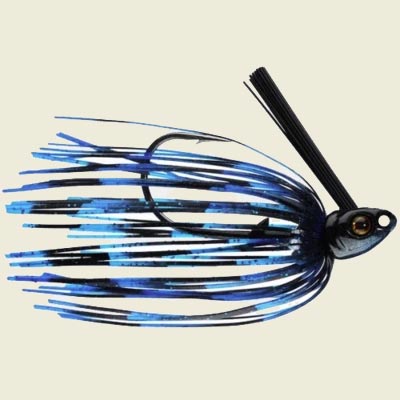
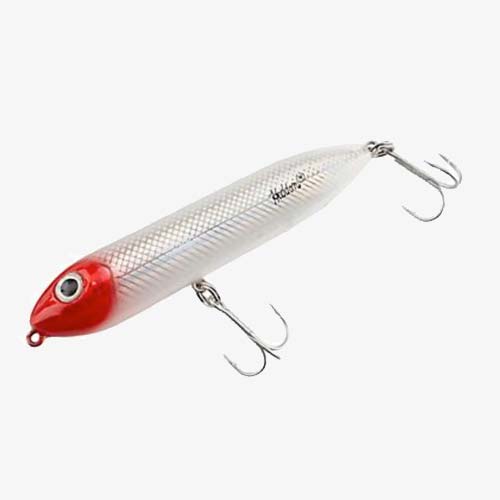
The Cobia are being caught on the reefs and biting extremely well. Anglers can target them by sight, and then putting live menhaden in front of them is a great way to hook up quickly. Or anglers can fish deeper to target fish cruising deeper. Artificial lures work on Cobia, and Captain Rob said using a 1–3-ounce bucktail jig, the size is dependent on depth and water movement. Jigging the lure in the 40–60-foot depth range usually produces Cobia bites.
The Spadefish action has begun in earnest on the reefs, and using jelly balls is the top bait for these hard-fighting, fun-to-catch fish. Spadefish often congregate in big numbers and can wear an angler’s arms out when caught on lighter tackle.
Spanish Mackerel are still doing wellnearshore, and he reports that anglers are catching blacktip sharks.
At theFolly Pier, Jacob Cynar reports that the fishing remains good, with sheepshead and black drum being caught. Trout fishing on the pier remains fair.
Terry Madewell
May 7
Morning surface water temperatures are around 69 degrees at the mouth of Charleston Harbor.
Inshore fishing in Charleston remans excellent, and Captain Rob Bennett withLowcountry Inshore Charters (843-367-3777) reports fishing action on a couple of additional species has also perked up, while fishing continues to be wide open for several species, with Redfish, Dolphin, and Cobia all producing great action.
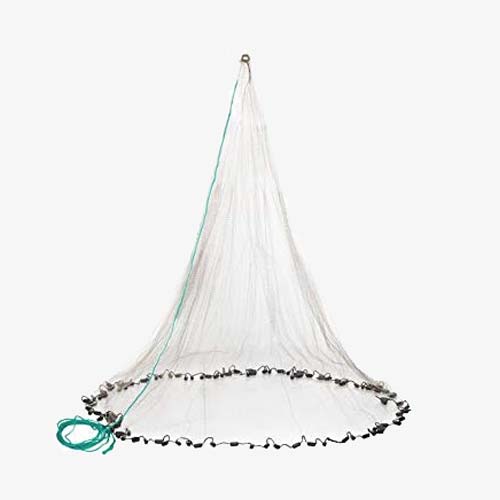
Captain Rob reported the inshore redfish bite is on fire, with most of his guides averaging 15-20 fish per trip, with fish caught in flats and around piers. The best bait is shrimp, which can be caught deep holing with cast nets or purchased. Also, mudminnows and mullet are excellent choices if shrimp are not available.

Capt. Rob said redfish action is great, go fishing now!
Trout fishing seems to be on the upswing, and Captain Rob reports fishermen are catching decent-sized fish in the area, but it’s not quite at the level they’re hoping for. But he thinks that’ll be improving weekly.
Captain Rob said the offshore news is great; his guides have crushed the Dolphin the past three days, producing awesome results. Plus, Wahoo and Marlin are also now being caught.
And to wrap up this trio of great fishing options, Captain Rob said all of May is ‘Cobia Month.’ Live menhaden is a prime bait, and any of the artificial reefs in the area are prime targets when fishing at 40-60 feet. He added that some fishermen use a 1–3-ounce bucktail jig, the size depending on depth and water movement, and that jigging in the 40–60-foot depth range produces plenty of action. Captain Rob said that learning this tactic can help anglers catch plenty of cobia without live bait.
Fishing at the Folly Pier, Jacob Cynar reports that the fishing is great, with sheepshead being caught consistently, with plenty of them being keepers. Anglers are catching good numbers of Black drum, and while the action is trending up, so far, no one has landed any legal-size specimens. Jacob reported that spotted trout fishing on the pier is much improved, with trout now producing a strong bite.
Terry Madewell
April 30
Morning surface water temperatures are around 68 degrees at the mouth of Charleston Harbor.
Inshore fishing in Charleston is strong, and Captain Rob Bennett with Lowcountry Inshore Charters (843-367-3777) reports that his boats continue to do very well with the redfish. Docks continue to be some of their best spots, although low tide structure back in the creeks is also very good. They expect this pattern to hold through May, with the biggest change being that instead of relying so much on mud minnows a variety of oilier baitfish that can be netted will be around for cut and live bait.

The trout fishing should improve this month, and in particular an early bite should start to come on with topwaters. Additionally, fishing live shrimp or mud minnows under corks around main river points with clean, moving water will be effective.
Flounder will also show up and can be caught around structure as well as creek mouths on the dropping tide. Mud minnows are hard to beat.
In the rivers and at the jetties it continues to be a pretty phenomenal spring bull red drum bite for Captain Addison Rupert with Lowcountry Outdoor Adventures (843-557-3476), although crab is playing out as a bait source and they are starting to turn more to menhaden which are showing up off the beach. This should last all through May although there will be increasing numbers of sharks to contend with – which are fun to catch in their own right. The basic pattern is anchoring cut bait offerings around any deep structure be it a bridge, rocks, piling, etc.
Nearshore in May cobia will arrive at the reefs where you can catch them with live menhaden on the bottom or on top if you are sight-fishing, and Spanish and king mackerel will also be around in numbers. Slow-trolling for kings will get good this month, and of course May is known as the month for offshore trolling for dolphin.
April 23
Morning surface water temperatures are around 67-68 degrees at the mouth of Charleston Harbor.
Summer fishing is coming to Charleston, and Captain Rob Bennett with Lowcountry Inshore Charters (843-367-3777) reports that whiting and bluefish are showing up in droves in the inlets, with blues thick all the way out to the nearshorereefs. Yesterday one of his boats caught 30 nice, eating-sized whiting in one of the inlets in short order.
At the reefs you can also pick up weakfish, and Spanish mackerel are also arriving. Captain Rob reminds anglers that the SC Mahi Series starts next month, with late April and May typically the time for catching dolphin offshore trolling in South Carolina.
In the rivers and at the jetties it continues to be a pretty phenomenal spring bite for Captain Addison Rupert with Lowcountry Outdoor Adventures (843-557-3476), who reports that around deep structure they are catching really big red drum as well as occasional large black drum when they use crab for bait. The tide isn’t making a big difference in these areas, while on the inshore side low tide is still the best time to fish. Again, they are still finding bigger than normal redfish even inside the creeks. Mostly they are fishing around structure, but there have also been some good catches soaking bait on the ICW flats.

While they haven’t targeted them much they expect the trout to turn on this week with the May 1 full moon.
April 16
Morning surface water temperatures are around 67-68 degrees at the mouth of Charleston Harbor. Menhaden are showing up on the beaches.
It continues to be a pretty phenomenal spring bite around Charleston, and Captain Addison Rupert with Lowcountry Outdoor Adventures (843-557-3476) reports that around deep structure in the major rivers and at the jetties they are catching really big red drum as well as occasional large black drum when they use crab for bait. The tide isn’t making a big difference in these areas, while on the inshore side low tide is definitely the best time to fish. Again, they are still finding bigger than normal redfish even inside the creeks. Mostly they are fishing around structure, but there have also been some good catches soaking bait on the ICW flats. Around inshore structure they are also picking up some juvenile sheepshead and black drum on crabs.

Nearshore Captain Rob Bennett with Lowcountry Inshore Charters (843-367-3777) reports that the sheepshead bite has slowed down, but it has picked up inshore where they are catching more big fish again around structure. They are also having success drifting live shrimp (caught deep-holing) for redfish, black drum, and trout, but Captain Rob notes he has not seen a flounder yet. It’s coming!
April 3
Morning surface water temperatures are around 64 degrees at the mouth of Charleston Harbor.
The inshore bite has been really good around Charleston, and Captain Rob Bennett with Lowcountry Inshore Charters (843-367-3777) reports that they are now catching a ton of redfish and lots of trout. It’s that time of year when some giant reds show up in the creeks, and they should be here for at least a couple more weeks. With the big full moon tides they have been concentrating their efforts on low water for both species, and if you can find a dock in 6-8 feet of water with some growth on it you can pretty much be assured of getting bites. Mud minnows are working well for both species.

In addition to a good inshore bite, Captain Addison Rupert with Lowcountry Outdoor Adventures (843-557-3476) reports that the fishing at the jetties has been so good that it’s almost like fall fishing! They are picking up bull reds and some random black drum (when they use crustaceans for bait), and the tide really hasn’t seemed to matter. They’ve caught fish on everything from the high incoming to low water.
March 24
Morning surface water temperatures are around 60 degrees at the mouth of Charleston Harbor.
There continues to be above-average spring inshore fishing for redfish in the Charleston area, and Captain Addison Rupert with Lowcountry Outdoor Adventures (843-557-3476) reports that even though a big worm hatch threw off the fishing for a couple of days things have now rebounded. Cut mullet around docks have been very productive, and they have also been catching fish on the flats off to the side of the Intracoastal Waterway. On the flats cut mullet are also out-producing other baits. Low tide and the low incoming have been the preferred times to fish.
And while Captain Addison has no reports on trout, the best news is that with the crab molt coming the redfish should really turn on very soon.

It’s a similar report from Captain Rob Bennett with Lowcountry Inshore Charters (843-367-3777), who is catching redfish around docks in 6-8 feet of water for a couple of hours each side of low tide. Fishing with mud minnows they are also picking up a few trout.
Captain Rob notes that the American Shad run is really slowing down.
March 11
Morning surface water temperatures are in the upper 50s at the mouth of Charleston Harbor. Schools of small menhaden have started to show up in some of the rivers.
As temperatures have warmed inshore patterns are expanding and fish are feeding better, and Captain Addison Rupert with Lowcountry Outdoor Adventures (843-557-3476) reports that they have had a nice week or two for redfish in particular. They are catching fish around the tide cycle, with low tide generally most productive on the flats but then getting back in the creeks around structure and particularly docks as the tide rises. They have caught some fish on cut mullet, but for numbers shrimp have been working the best and they are also picking up some sheepshead on live shrimp and black drum on live and dead shrimp. Trout have been conspicuously absent.
However, the best bait for the bigger reds well over the slot has been blue crab, as is often the case in the spring.

Off the beach at Folly Beach Pier (843-762-9516) pier manager Jacob Cynar reports that the warm temperatures have brough out lots of anglers, but the catch has mainly been stingrays with just the occasional juvenile black drum.
But perhaps the best thing going in saltwater is the sheepshead, and Captain Rob Bennett with Lowcountry Inshore Charters (843-367-3777) reports that nearshore at the reefs that bite is on fire. Sheepshead and black drum will take a variety of crustaceans, but fiddler crabs are hard to beat. Captain Rob notes that heavy structure in the rivers has also been productive for sheepshead.
Finally, Captain Rob reports that we are in the thick of the American Shad run. This year the landing at the Lake Moultrie Tailrace Canal outside Monck’s Corner is closed for construction and so if you want to fish there it’s a very long run, but you can still fish out of Arrowhead Landing at the Rediversion Canal at St. Stephen’s and Wilson’s Landing on the Santee River below Lake Marion near Pineville. At both of these landings you can also fish off the bank. Today Captain Rob caught 50 fish in an hour and a half, with one on almost every cast.
Whether by boat or land the main tactic is casting a single rod with a small chartreuse curly tail grub, Shad Dart, or 1/16 or 1/32 ounce casting spoon on 6- or 8-pound test line. Sabiki rigs can also work. When there is a lot of current you can add a pinch of split shot, and you are generally fishing 1-10 feet of water.
When they get really thick fish can be caught in the middle of the river, but generally the edges are the best. Fish will hit right up to the side of the boat/ bank.
Most anglers are targeting the shad for their roe, and it’s important to bleed the fish by cutting their throats soon after catching them to keep their eggs from turning blood red. Others are keeping them for big catfish and striper bait!
February 25
Morning surface water temperatures are about 51 degrees at the mouth of Charleston Harbor. The water is still very clear.
While ocean temperatures are still cold, Captain Addison Rupert with Lowcountry Outdoor Adventures (843-557-3476) reports that inshore they have risen quite a bit and it seems to be helping the bite. Lower tides are still the best time to fish, and they have been catching fish a couple of different ways. There are still big groups of fish on the river and Intracoastal Waterway flats, and then there are still fish around structure in the creeks. Fishing with cut mullet and crab they have been catching redfish, and there have also been some nice black drum mixed in with the reds (that will eat the crab).

They have not targeted trout or heard of anyone who has.
In a similar vein Captain Rob Bennett with Lowcountry Inshore Charters (843-367-3777) reports that his boat has been catching about 20 redfish per trip with some coming on the flats and some around docks. They have been using live shrimp and mud minnows.
Captain Rob reports that they would love to go nearshore and catch sheepshead at the reefs, but the winds have been too tough.
But there’s an exciting bite inland getting started, and every year at this time Captain Rob reminds anglers of the American Shad run. This year the landing at the Lake Moultrie Tailrace Canal outside Monck’s Corner is closed for construction, but you can still fish out of Arrowhead Landing at the Rediversion Canal at St. Stephen’s and Wilson’s Landing on the Santee River below Lake Marion near Pineville. At both of these landings you can also fish off the bank.
Whether by boat or land the main tactic is casting a single rod with a small chartreuse curly tail grub, Shad Dart, or 1/16 or 1/32 ounce casting spoon on 6- or 8-pound test line. Sabiki rigs can also work. When there is a lot of current you can add a pinch of split shot, and you are generally fishing 1-10 feet of water.
When they get really thick fish can be caught in the middle of the river, but generally the edges are the best. Fish will hit right up to the side of the boat/ bank.
Most anglers are targeting the shad for their roe, and it’s important to bleed the fish by cutting their throats soon after catching them to keep their eggs from turning blood red. Others are keeping them for big catfish and striper bait!
February 12
Morning surface water temperatures are about 46-47 degrees at the mouth of Charleston Harbor. The water is very clear.
Warmer weather has gotten more people back on the water, but Captain Addison Rupert (843-557-3476) with Lowcountry Outdoor Adventures reports they actually had more success when it was a little colder. Maybe the theory that rapid change in any direction is usually negative holds water, because Captain Addison reports the inshore redfish bite was as slow as he’s seen it all winter this week. They are still seeing reds piled up on the flats and around docks in the clear water, but even throwing a smorgasbord of baits including fresh mullet, crab, and mud minnows they could only pick at them.
That’s consistent with the report from Captain Rob Bennett with Lowcountry Inshore Charters (843-367-3777), who reports that they also aren’t finding a great bite. However, the one piece of good news is that one of his boats did reel in four trout on a recent trip. Of course, the water was so cold it felt like reeling in a rag, but it was good to see some around!
In a couple of weeks the shad run should start up, but for now Captain Rob reminds anglers that starting about now the sheepshead bite at the nearshore reefs is probably the best bet when anglers can get out.
Finally, off the beach at Folly Beach Pier (843-762-9516) pier manager Jacob Cynar reports that warm weather has brought a few people out – but with temperatures in the mid-40s they aren’t getting any bites.
February 4
Morning surface water temperatures are about 46 degrees at the mouth of Charleston Harbor. The water is very clear.
While Captain Addison Rupert (843-557-3476) with Lowcountry Outdoor Adventures hasn’t been inshore fishing since the weekend’s snow, he expects that you can still catch redfish inshore on the ICW flats by sight-fishing at low tide. Plastics will work but he has been having a lot of success with crab.
Meanwhile Captain Rob Bennett with Lowcountry Inshore Charters (843-367-3777) has been running a couple of boats the last two days, and they have been productive fishing for reds around docks and fallen trees on the lower part of the tide. Fish are biting very well on mud minnows, and they will also take soft plastics.

While Captain Rob hasn’t heard of obvious signs of a trout kill, they have been non-existent as a catch for some time.
Additionally, Rob reminds anglers that starting about now the sheepshead bite should be very good at the nearshore reefs when anglers can get out.
January 28
Morning surface water temperatures are about 47 degrees at the mouth of Charleston Harbor. The water is very clear.
There haven’t been a lot of good days for inshore fishing around Charleston recently, but Captain Addison Rupert (843-557-3476) with Lowcountry Outdoor Adventures reports that on the last pleasant day a bunch of boats were out on the water hammering the ICW flats and the fish were downright spooky. However, as everyone started to leave and the light got lower the fish became really aggressive, and in the last hour they actually found redfish with their tails out of the water chasing what appeared to be finger mullet! It could have been the effect of the water warming all day, less pressure, or something else, but for the next hour they caught fish on flies and had a ball. With some miserably cold weather forecast for the weekend once again anglers will be challenged to find good days, but when you do and can get away from pressure it seems fish will eat. Crab remains an excellent bait on the natural side.

There are no trout reports and anglers are eyeing the weather forecast with concern for a possible fish kill if water temperatures drop too much this weekend.
Off the beach at Folly Beach Pier (843-762-9516) pier manager Jacob Cynar reports that there has been zero fishing activity, but Captain Rob Bennett with Lowcountry Inshore Charters (843-367-3777) reminds anglers that soon if not already the sheepshead bite should be very good at the nearshore reefs when anglers can get out.
January 21
Morning surface water temperatures are about 50 degrees at the mouth of Charleston Harbor. The water is very clear.
With the trout bite very slow inshore fishing around Charleston is pretty much about redfish right now, and Captain Addison Rupert (843-557-3476) with Lowcountry Outdoor Adventures reports that he is still having the best success fishing the shallow flats on the side of the Intracoastal Waterway on low water. Fish are grouped up in big schools, and at least for now still very willing to eat. While other baits would work he is getting the best bites on blue crab right now, and Captain Addison notes that on crab they are catching some very large creek fish. While it’s ideal to cast to the sides of the school instead of into it, at times that’s unavoidable as when fish are grouped up between oyster beds or similar structure.

Off the beach at Folly Beach Pier (843-762-9516) pier manager Jacob Cynar reports that fishing activity is pretty light, but there are still a fair number of black drum around.
Until recently he was escaping the cold in the tropics, but Captain Rob Bennett with Lowcountry Inshore Charters (843-367-3777) reminds anglers that by about the beginning of February the sheepshead bite should be very good at the reefs.
January 7
Morning surface water temperatures are about 54 degrees at the mouth of Charleston Harbor. The water is very clear.
There are a few patterns for catching inshore redfish around Charleston right now, and Captain Addison Rupert (843-557-3476) with Lowcountry Outdoor Adventures reports that they continue to catch good numbers of fish on low tide flats off the sides of the Intracoastal where fish are schooled up. They are taking live shrimp but frozen finger mullet are also working very well. The other main place he is catching redfish is around docks, again with the same two baits.

But there’s a third place you can look for reds, and Captain Rob Bennett with Lowcountry Inshore Charters (843-367-3777) reports that way up smaller creeks, in areas often only about ten yards wide, there are some massive concentrations of fish. Fish are in holes that occur where the creeks bend, and while they will take natural baits paddletail grubs are working very well.
Trout fishing has gotten a bit slow, but Captain Rob advises that deep holes in decent-sized creeks are the best place to look for them. These holes will often occur where the creeks bend and you usually need some structure like rocks or trees to hold fish. Live shrimp or mud minnows will work as will a variety of soft plastics, but whatever you work fish it very slowly.
It's still a great time for sheepshead in the rivers, and they are being caught in 6-10 feet of water around docks. By February and into March the fishing will peak at the reefs.
Finally, if you can get out there then often the best thing going is the bottom fishing in 40-90 feet of water. The big black sea bass are spawning as close to shore as they will get, and it’s also a great time for triggerfish.