




















Our apologies for the sporadic fishing reports in recent weeks. We will do everything we can to get back on track with weekly updates, but one of our children is getting through a significant health challenge which has occupied a great deal of our time and kept us out of work.
September 24
Clarks Hill water levels are down to 326.80 (full pool is 330.00) and water clarity is high. Morning surface water temperatures are still around 79-80 degrees on the main water.
Even though water temperatures have not dropped much more, Captain Rocky Fulmer with Little River Guide Service(706-210-3474) reports that hybrid and striped bass on Clarks Hill – which were so concentrated a month or two ago – are now spreading out across the lake. The basic movement is out and up into the creeks and rivers, instead of being concentrated in the lower lake and near the oxygen lines.
First thing there is still a shallow bite mostly for hybrids on 10-foot deep main lake humps. There is also a fair amount of schooling, particularly in the mid-lake area. Then there are a good number of fish about 50 feet down suspended in the channels up both river arms and in the major creeks. These fish are taking herring on down-rods and generally are of high quality.
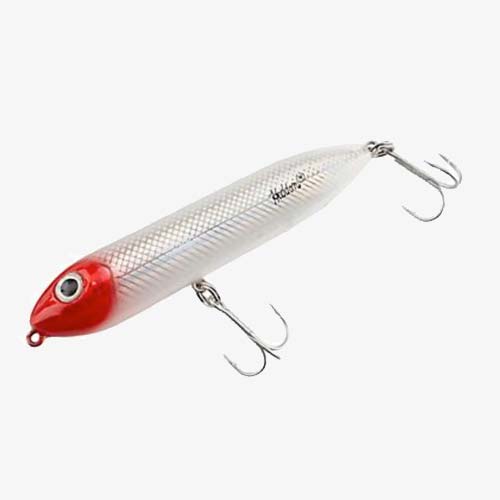
There are certainly black bass that can still be caught on the main lake, but Guide Josh Rockefeller (706-513-6152) reports that there is a significant progression of bait and fish into the creeks. Many of them have already gotten to the very backs, and he is seeing bass schooling in as little as a foot of water where they have pushed bait to the banks. In the creeks there are pods of bait everywhere, and you can catch tons of spotted bass around them when they are schooling or even by calling them up with topwater lures in open water. However, the bigger creek fish seem to be actually on the banks where they often appear to be attacking bait in wolf packs. Pop-Rs, flukes, and big topwater lures are all working.
Consistent with that tournament angler Tyler Matthews of Evans, Georgia reports that he is also seeing fish getting much more active. However, he is still mostly fishing the main lake. For now it seems that mainly the smaller fish are schooling, particularly over humps, and there are also fish on all of his deeper brush piles. For now the fish that are not schooling seem to want a shaky head more than a minnow-type bait. Any time now he expects the better fish to start schooling.

Much like striper the crappie on Clarks Hill are spreading out, with the difference being that Captain Rocky reports that crappie were mostly up the lake and now they are spreading out in creeks and all over the lake. They are moving a lot which can mean they are on a certain brush pile one day and then not the next, but generally they are in most areas of the lake now. The key depth is fishing 8-15 feet down in 25 feet of water.
On the catfish front, Captain Chris Simpson with Fightin Da Blues Fishing Guide Service (864-992-2352) reports that the fall movements continue to progress and lots of fish are moving to deeper portions of creek and river channels. Anchoring on the points and humps that are adjacent to the channels is still working. Dragging baits in these same areas is also productive as long as there is not too much timber to get snagged on. The basic depth range is 15-50 feet, which is a wide range, and for that reason sharp ledges that offer a variety of depths are particularly good.
A variety of cut baits will work, with larger, tougher bait like gizzard shad or perch generally getting less bites but overall bigger fish than softer baits like herring.
September 10
Clarks Hill water levels are down to 328.01 (full pool is 330.00) and water clarity is high. Morning surface water temperatures are around 79 degrees.
There is a still a little bit of early bite for hybrid and striped bass on Clarks Hill, and Captain Rocky Fulmer with Little River Guide Service (706-210-3474) reports that before daybreak they are still able to catch lots of mostly hybrids on shallow, 10-foot humps on the main lake. But the biggest change this week is that the later bite is turning on, and as fish are moving into the mouths of creeks they are feeding pretty well during the day. Mostly the action is about 25 feet down in roughly 50 feet of water.
Overall it’s a transition period as fish start to spread out throughout the lake again, and one drawback is that – while you can catch good numbers – it’s hard to get the biggest fish right now.
Perhaps counter-intuitively the cooler nights are actually a negative for the offshore black bass fishing on Clarks Hill, and Guide Josh Rockefeller (706-513-6152) reports that for some reason the bait won’t get as high in the water column after cool nights and it can mess up the schooling bite. With temperatures in the 90s predicted for next week the schooling should come on again, but in any event the fish are still out there either way and with forward-facing sonar you can catch them with subsurface baits.
At the same time cooler temperatures really help the shallow bite, and they are doing much better around the banks. Buzzbaits and frogs are both working.

Temperatures haven’t cooled off enough for it to make much difference with the crappie, and Captain Rocky reports that you still basically have to be fishing up either arm of the lake if you want to catch numbers of fish. When you locate them they are biting pretty well, and they are grouped up on brush in 20-25 feet. Basically they are at the top of the brush piles right now, and so that could mean anywhere from 10-18 feet below the surface.
On the catfish front, Captain Chris Simpson with Fightin Da Blues Fishing Guide Service (864-992-2352) reports that the fall movements are setting in and lots of fish are moving to deeper portions of creek and river channels. Anchoring on the points and humps that are adjacent to the creek and river channels is currently working. Dragging baits in these same areas is also working as long as there is not too much timber to get snagged on. The basic depth range is 15-50 feet, which is a wide range, and for that reason sharp ledges that offer a variety of depths are particularly good.
A variety of cut baits will work, with larger, tougher bait like gizzard shad or perch generally getting less bites but overall bigger fish than softer baits like herring.
August 27
Clarks Hill water levels are still very high at 329.95 (full pool is 330.00). Morning surface water temperatures are around 82 degrees.
The hybrid and striped bass bite has changed on Clarks Hill, and Captain Rocky Fulmer with Little River Guide Service (706-210-3474) reports that basically the fish have “gotten little”. That’s because fish are spreading out and moving all over the lake, and the best remaining bite for a concentration of fish is before daylight in about 20 feet of water on main channel points. 90% of those are smaller hybrids.
After that they are fishing deeper and picking up some better fish, mostly about 40 feet down but still off points. Some fish are also being caught around the oxygen lines.
The best black bass fishing continues to be offshore on Clarks Hill, even though Guide Josh Rockefeller (706-513-6152) does report that with high water levels there are some good fish being caught on a frog around the banks. Still, he is finding an incredible number of fish offshore on brush piles, around bridge pilings, and just following bait balls. They are also starting to school. For inactive fish Josh’s experience has been that if you throw at them enough they will usually eat, although they are showing a preference for something like a flutter spoon versus a minnow-type bait on a jighead.
Although some of the schooling activity is random in open water, some of the best schooling action has been around bridges. It’s also more consistent in the morning, and fish are taking a Gunfish.
Josh notes that in the next few weeks more fish should move towards creek mouths but for now he is seeing the biggest concentrations on the main lake.
It remains a fair bite for crappie, but Captain Rocky reports that you still basically have to be fishing up the lake if you want to catch numbers of fish. When you locate them they are biting pretty well, and they are grouped up on brush in 20-25 feet. Basically they are at the top of the brush piles right now, and so that could mean anywhere from 10-18 feet below the surface.
While again this week there’s no change in the overall catfish patterns on Clarks Hill, Captain Chris Simpson with Fightin Da Blues Fishing Guide Service (864-992-2352) reports that there continues to be a solid, post-spawn summertime bite both during the day and at night.
The best pattern is still anchoring on shallow points and fan-casting rods from 5-25 feet, and as usual gizzard shad, white perch, and herring are all working.

August 21
Clarks Hill water levels are above full at 330.22 (full pool is 330.00) and water conditions are normalizing. Morning surface water temperatures are back in the mid-80s.
Even though by preference he is a shallow black bass fisherman, Guide Josh Rockefeller (706-513-6152) reports that the best action right now is offshore. The schooling activity has picked up around humps, and since long casts are generally required topwater lures are working the best. When anglers are looking at them on electronics then flukes are working well.
That’s consistent with the report from tournament angler Tyler Matthews of Evans, Georgia, who reports that while the fishing has picked up a little bit it’s still really hard to find much size. The better fish may be feeding at night or in the early morning, and things slow down in the afternoon.
If you can find bait there are still typically fish with it, and humps and brush piles are magnets for bass. While Tyle caught lots of fish on a fluke his last time out he did manage a better fish on a brush pile with a shaky head in 30 feet.

While there’s no change in the overall catfish patterns on Clarks Hill, Captain Chris Simpson with Fightin Da Blues Fishing Guide Service (864-992-2352) reports that there is now a solid, post-spawn summertime bite. And even though temperatures have rebounded, the daytime bite is still good.
The best pattern is still anchoring on shallow points and fan-casting rods from 5-25 feet, and as usual gizzard shad, white perch, and herring are all working.
More to follow.
August 14
Clarks Hill water levels are above full at 330.61 (full pool is 330.00) and water clarity is still good in the lower lake but there is a lot of debris floating. Morning surface water temperatures are in the upper 70s.
This week there have been dramatic changes with the hybrid and striped bass on Clarks Hill, and Captain Rocky Fulmer with Little River Guide Service (706-210-3474) reports that they are now in a pattern typical for September and October. They have moved off the oxygen line, and before daybreak they are stacked up on points along the river channel in 5-10 feet of water. Captain Rocky’s boat caught 50 before the sun came up this morning with down-rods right under the boat.
After that the fish get tricky, and they are basically running up the heavy flow in the river channel and very spread out. They are hard to locate and target, and while there are some fish grouped up in 55-60 feet they are inactive and it’s hard to catch more than five or six in a day.
Overall Rocky expects that fish will return to more typical late summer patterns since temperatures will almost inevitably rise again, and he does worry about a fish kill if they turn off the oxygen line.
The crappie are making a similar move up the rivers on Clarks Hill, and Captain Rocky reports that he had a very slow day of crappie fishing in the lower lake a couple of days ago – catching only about 20 fish on brush in the vicinity of the oxygen line. While a couple of weeks ago fish were spread out on brush all over the lake, he learned that they are basically traveling up the lake right now and setting up on new brush. This much water flow brings drastic changes, and while some fish are just swimming the best bite is up the rivers where fish have already gone miles and gotten on new brush.
It's also an unusual bite for black bass, and tournament angler Tyler Matthews of Evans, Georgia reports that every rocky point and hump in 10-15 feet of water is covered up with fish right now. The catch is that there is very little size to them, and Tyler is almost embarrassed to report that he won his club tournament with 7.5 pounds of spotted bass and big fish at 2.2 pounds. While he caught about 20 fish before 2:00 they were all smaller bass.
Tyler discovered that if you pulled a Sebille or fluke through a group of fish then they would bite, but single fish (generally larger bass) were very reluctant to strike.
If it were easy to know where the big fish are Tyler would have done it, but it seems that a lot of the bigger fish are just roaming offshore in 30-100 feet of water. Some could be on deep brush, and there are also some big fish around the banks. However, it’s very hard to get more than a few bites shallow and you can’t do much after the early morning.
Finally, while there’s no change in the overall catfish patterns on Clarks Hill, Captain Chris Simpson with Fightin Da Blues Fishing Guide Service (864-992-2352) reports that there is now a solid, post-spawn summertime bite. Additionally, with the cooler weather the daytime bite has turned on again.
The best pattern is still anchoring on shallow points and fan-casting rods from 5-25 feet, and as usual gizzard shad, white perch, and herring are all working.

July 31
Clarks Hill water levels are down to 327.96 (full pool is 330.00) and water clarity remains high. Morning surface water temperatures are in the mid- to upper 80s.
The patterns for hybrid and striped bass have changed a little on Clarks Hill, and Captain Rocky Fulmer with Little River Guide Service (706-210-3474) reports that he is catching fish on shallow humps in the morning in 30-35 feet. These fish are on the lower end near the oxygen lines, and they are biting before daylight.
After daylight that bite slows to a crawl, and then the fish are setting up close to the oxygen lines. The lines are about 60 feet deep in 80-100 feet of water, and most of the fish are being caught on down-rods 40-50 feet down. Unsurprisingly there are bunch of boats in the area.
The majority of the black bass fishing activity has shifted offshore, and Guide Josh Rockefeller (706-513-6152) reports that in the various youth tournaments going on most anglers are out deep chasing fish that are schooling on herring. For right now the fish are acting like they don’t feel the fishing pressure and have been willing to take big topwater lures. There is a pretty good bite, and if you find bait the fish will eventually show themselves on the surface. Of course, you can also find them with LiveScope but most bites come from fish that are breaking the surface.
There is also a decent shallow bite around bream beds, which should get better as the August full moon approaches. You can also work the banks with a frog or buzzbait, but dropping water levels – and the heat – are not helping shallow patterns.
The crappie fishing is still good on Clarks Hill, and Captain Rocky reports that most of the fish are still on brush piles in 25-30 feet all over the lake. When you first get to a brush pile the fish are likely to be suspended as high as 8 or so feet, but as you catch more and more they will sink down into it. And if you make noise they will just leave. Minnows have been working the best.
The catfish spawn is about over on Clarks Hill, and Captain Chris Simpson with Fightin Da Blues Fishing Guide Service (864-992-2352) reports that is making the bite much more consistent.
The best pattern is still anchoring on shallow points and fan-casting rods from 5-25 feet, but night fishing is much better than fishing during the day right now. As usual gizzard shad, white perch, and herring are all working.

Our family is travelling next week for the last week of the summer before our children go back to school, but we will resume weekly fishing reports the following week. Hopefully some cooler weather will give us some exciting changes to relay – although it will still be August in South Carolina!
July 21
Clarks Hill water levels are down to 327.84 (full pool is 330.00) and water clarity remains high. Morning surface water temperatures are in the mid to upper 80s.
There are hybrid and striped bass all over the main channels on Clarks Hill, and Captain Rocky Fulmer with Little River Guide Service (706-210-3474) reports that from way up the Savannah River down to the dam and most places in between you can find some fish. Their depth depends on where the thermocline sets up, but most fish are in the 40-50 foot range over humps and off the ends of points.
But… by far the heaviest concentrations of fish are set up close to the oxygen lines. The lines are about 60 feet deep in 80-100 feet of water, and most of the fish are being caught on down-rods 40-50 feet down. Unsurprisingly there are bunch of boats in the area.
At the same time, Guide Josh Rockefeller (706-513-6152) has found a surprisingly good bite for black bass shallow on Clarks Hill recently. The shallow pattern has changed since the hurricane, and he isn’t finding as many fish cruising the banks or set up around bream beds. Instead, they are grouped up around laydowns which are abundant after the hurricane. Pretty much any time you can find trees down the in backs of pockets there are bass around them, particularly when you find several trees together. The cover is generally too thick for a Whopper Plopper, and so Josh is almost exclusively fishing with a frog. The fish are generally good, fat fish shaped like footballs.
Other anglers are spending more time offshore, and there has been some schooling activity over the river channel where fish are chasing bait. You generally have to cast to them right when they come up with long, precise casts.
The crappie fishing is still good on Clarks Hill, and Captain Rocky reports that most of the fish are still on brush piles in 25-30 feet all over the lake. When you first get to a brush pile the fish are likely to be suspended as high as 8 or so feet, but as you catch more and more they will sink down further into. And if you make noise they will just leave. Minnows have been working the best.
Guide Luke Wilson with Wilson’s Guide Service (706-283-3336) is also targeting crappie on Clarks Hill, and they have found a very good bite for both crappie and white perch at the top of the lake. They are targeting brush in 15-20 feet of water, and again fish can be suspended from 6 feet down all the way to the bottom. Interestingly in the summer heat time of today is not making much of a difference, and the fish are willing to eat minnows all day long for them.

The catfish spawn is mostly over on Clarks Hill, and Captain Chris Simpson with Fightin Da Blues Fishing Guide Service (864-992-2352) reports that is making the bite much more consistent.
The best pattern is still anchoring on shallow points and fan-casting rods from 5-25 feet, but night fishing is much better than fishing during the day right now. As usual gizzard shad, white perch, and herring are all working.
We apologize that these reports are running a few days behind – the author had some unexpected issues in his other job arise.
July 10
Clarks Hill water levels are at 328.95 (full pool is 330.00) and water clarity remains pretty high. Morning surface water temperatures are around 87 on the main lake and 84-85 even in the tailrace at the top of the lake.
Once again the hybrid and striped bass have made a big move on Clarks Hill, and Captain Rocky Fulmer with Little River Guide Service (706-210-3474) reports that this week most of the fish are set up close to the oxygen lines. The lines are about 60 feet deep in 80-100 feet of water, and most of the fish are being caught on down-rods 40-50 feet down. Unsurprisingly there are bunch of boats in the area.
If Captain Rocky had to fish a secondary pattern he would stay in the vicinity of the oxygen lines but fish some of the points and humps nearby. He would expect the fish still to be suspended about 40-50 feet down.
The crappie action is still strong on Clarks Hill, and Captain Rocky reports that fish are getting into patterns that won’t change for a while. Unlike some lakes where the bite is really slowing down they are still feeding well.
Brush in 25-30 feet of water is fishing the best, and there really isn’t a section of the lake that doesn’t hold fish if you find brush at that depth. Fish are generally suspended over the brush early but then in the summer heat get very tight to it during the day. His boat is still doing better with minnows but jigs will also catch some fish.
As the catfish spawn nears its conclusion on Clarks Hill, Captain Chris Simpson with Fightin Da Blues Fishing Guide Service (864-992-2352) reports that the bite is really picking up, especially for big fish.
The best pattern is still anchoring on shallow points and fan-casting rods from 5-25 feet. As usual gizzard shad, white perch, and herring are all working.
Black bass report to follow.
July 2
Clarks Hill water levels are down to 329.42 (full pool is 330.00) and clarity remains high on the main lake. Morning surface water temperatures are around 87 on the main lake and higher in the creeks.
With two BFLs on Clarks Hill in two weeks Guide Josh Rockefeller (706-513-6152) has spent a lot of time chasing the black bass recently, and he reports that things have changed pretty dramatically in that short period of time. Ten days ago the weights were better and the offshore bite was good, but it has really slowed down in the last few days. Between boat traffic and fishing pressure that’s not unusual in the heat of summer, but another strange factor has been that they haven’t been pulling much water and as a result the lake has gotten kind of stagnant at times. Even in the rivers there hasn’t been consistent current and sometimes the water has gotten almost a film on it. That always makes for a tough bite.
By this past weekend they were worried about the effect of heat on the fish and went to a 3-fish limit, and unsurprisingly catches were way down after the heat wave. But what was most striking was how far the offshore bite had dropped. Whereas fishing a minnow-style bait on a jighead around structure like bridges had been really productive, now it’s mainly spotted bass that are offshore and almost all the better largemouth are being caught shallow. It seemed everybody caught them on a buzzbait or a frog, and Josh found some good fish around grass up the river on a Horny Toad.
The hybrid and striped bass pattern has also changed pretty dramatically on Clarks Hill, but Captain Rocky Fulmer with Little River Guide Service (706-210-3474) reports that fish are going the other way. He can still catch fish at dawn throwing out baits around humps and blow-downs in 30 feet of water, but each day they are getting smaller and the numbers are dropping. Finally today they had to switch to fishing deeper, and found the better fish stacked up 40 feet down in 70 feet of water over the main channel. That bite should just get better while the shallow pattern gets weaker and weaker.
The crappie action is still strong on Clarks Hill, but Captain Rocky reports that they are also headed deeper. Now brush in 25-30 feet of water is fishing the best, and there really isn’t a section of the lake that doesn’t hold fish if you find brush at that depth. Fish are generally suspended over the brush early but then in the summer heat get very tight to it during the day. His boat is still doing better with minnows but jigs will also catch some fish.
It appears that the catfish spawn is wrapping up on Clarks Hill, and Captain Chris Simpson with Fightin Da Blues Fishing Guide Service (864-992-2352) reports that as a result the bite is really picking up. Most notably they are starting to catch more big fish than a few weeks ago.
The best pattern is still anchoring on shallow points and fan-casting rods from 5-25 feet. As usual gizzard shad, white perch, and herring are all working.
June 26
Clarks Hill water levels are still very elevated at 330.12 (full pool is 330.00) and clarity is high on the main lake. Morning surface water temperatures are around 85 on the main lake and higher in the creeks.
This week it has been a very, very fast bite for hybrid and striped bass on Clarks Hill, and Captain Rocky Fulmer with Little River Guide Service (706-210-3474) reports that starting at 5:30 they have had a limit by 6:00 every morning this week. That’s one way to beat the heat! The fish are stacked up on main lake humps in 30 feet of water, and they are catching them on down-rods.

The crappie continue to bite well on Clarks Hill, and Captain Rocky reports that they are catching fish on brush in 15-30 feet of water with 25 feet typically the best depth. Most deep brush on the lake is holding fish, and they are generally 8-20 feet deep. His boat is doing the best with minnows but jigs will also catch some fish.
The shallow catfish bite also continues to be very strong, and Captain Chris Simpson with Fightin Da Blues Fishing Guide Service (864-992-2352) reports that there is no change in tactics but they are filling coolers with 2-8 pound channels and 5-18 pound blues.
The best pattern is anchoring on shallow points and fan-casting rods from 5-25 feet. As usual gizzard shad, white perch, and herring are all working.
While the spawn is probably still occupying many of the biggest fish, the population of small and medium-sized fished is so strong that the bite remains pretty incredible.
June 19
Clarks Hill water levels are still very elevated at 330.17 (full pool is 330.00) and clarity is normal on the main lake. Morning surface water temperatures are in the low 80s on the main lake and higher in the creeks.
As anticipated the hybrid and striped bass bite has changed on Clarks Hill, and Captain Rocky Fulmer with Little River Guide Service (706-210-3474) reports that he has abandoned the very early shallow bite and is now fishing after daylight. Fish are in the lower half of the lake related to the main channels, and they are mostly 20-35 feet down in about 50 feet of water. The most productive areas have been flats. You can also find some fish back in the creeks in 25-30 feet of water around blow-throughs, but these are mostly smaller.
The crappie continue to bite well on Clarks Hill, although Captain Rocky reports that there is some movement deeper. They are catching fish on brush in 15-30 feet of water, but 25 feet has typically been the best depth. Most deep brush on the lake is holding fish, and they are generally 8-20 feet deep. His boat is doing the best with minnows but jigs will also catch some fish.
June 18
Clarks Hill water levels are still very elevated at 330.19 (full pool is 330.00) and clarity is normal on the main lake. Morning surface water temperatures are in the low 80s.
As would be expected there are shallow and deep patterns for black bass right now, and Guide Josh Rockefeller (706-513-6152) reports that for deeper fish one really good place to look is around bridges. There seems to be a lot of bait and in turn bass hanging around bridges right now, and they are getting a little less pressure than the humps that a lot of anglers are concentrating on. Most of these humps are in 10-15 feet of water and there is a merry-go-round of boats trying to hit them when fish are schooling or call up the bass that are there. There are also offshore fish in 20-25 feet of water on brush, but getting them to come up to take a bait is hard. A drop shot works better.
With so much fishing pressure on the offshore spots, and bass getting so wary of it after several weeks offshore, it can be hard to catch multiple fish off a spot without leaving and coming back. And you really need to stay as far off it as possible because as soon as they feel the boat presence the fish get unsettled.
Unsurprisingly given all that Josh is actually more confident in getting a big bite shallow right now, and he notes that there are a bunch of cruisers around the banks. Fish are also holding on laydowns, and frogs have been working very well for his boat.

The shallow catfish bite also continues to be very strong, and Captain Chris Simpson with Fightin Da Blues Fishing Guide Service (864-992-2352) reports that there is no change in tactics but they are filling coolers with 2-8 pound channels and 5-18 pound blues.
The best pattern is anchoring on shallow points and fan-casting rods from 5-25 feet. As usual gizzard shad, white perch, and herring are all working.
While the spawn may be occupying the biggest fish, the population of small and medium-sized fished is so strong that the bite is still pretty incredible.
While we will follow up with a conventional striper and crappie report from Captain Rocky Fulmer with Little River Guide Service (706-210-3474), yesterday at the very top of Clarks Hill below the Russell Dam Guides Wendell and Luke Wilson with Wilson’s Guide Service (706-283-3336) report that they caught 128 striped bass, hybrids and white perchin five hours. They got there very early when the fish were hitting on the surface, and while most of the striper and hybrids were in the 1-2 pound range the action was non-stop with small swimbaits and jigs. They also caught a few perch on minnows.
June 11
Clarks Hill water levels are still very elevated at 330.21 (full pool is 330.00) and clarity is pretty high. Morning surface water temperatures range from about 77 to 80 degrees.
While he doesn’t expect it to last much more than another week, Captain Rocky Fulmer with Little River Guide Service (706-210-3474) reports that for the last week to ten days he has been back on a very early “throwout” bite for hybrid and striped bass where fish are up shallow eating spawning herring. They have been done by about 8:00 every morning, throwing baits at points on the main channel in less than 10 feet of water. However, Captain Rocky can tell that the fish are starting to get a little smaller and it’s not as consistent as a week ago which is why he thinks the days of this pattern are numbered.
After that early feeding binge you can still catch fish but it gets tougher, and the same bait moves out to blow-throughs between humps. The bait and fish get on the bottom, but even though there could be 100 feet of water nearby the bait seems to max out at around 35 feet. That’s where most of the fish are stacked up.
Fishing for black bass tournament angler Tyler Matthews of Evans, Georgia reports that he is also seeing the tail end of a herring spawn, but it has gotten to the point where he is struggling off points. Instead he is having better luck fishing for what seem to be bass eating deeper spawning herring around timber and bridge pilings. Even over deeper water they are high in the water column and he is catching them on a Sebille.
There is also some sporadic schooling activity over humps, but it is very hit-or-miss because you basically have to be where the fish are when they come up.
Finally, there is a good buzzbait bite around the banks – particularly early – but this is a low numbers game when looking for a quality fish.
The crappie continue to bite really well on Clarks Hill, and Captain Rocky reports that they had 50 fish in short order a couple of days ago fishing brush in 20-25 feet. It seems that all the deep brush from the dam up the Georgia Little River and up the main Savannah River is loaded with crappie, and they are mostly 8-18 feet deep. His boat is doing the best with minnows.
The shallow catfish bite continues to be strong, and Captain Chris Simpson with Fightin Da Blues Fishing Guide Service(864-992-2352) reports that there is no change in tactics but they are filling coolers with 2-8 pound channels and 5-18 pound blues.
The best pattern is anchoring on shallow points and fan-casting rods from 5-25 feet. As usual gizzard shad, white perch, and herring are all working.
While the spawn may be occupying the biggest fish, the population of small and medium-sized fished is so strong that the bite is still pretty incredible.
May 29
Clarks Hill water levels are still high at 330.02 (full pool is 330.00). Morning surface water temperatures are down to about 75 degrees.
The shallow herring spawn continues to wind down, and Captain Rocky Fulmer with Little River Guide Service (706-210-3474) reports that he is basically only fishing down-rods for hybrid and striped bass now. Most of the action is in 20-25 feet of water off main lake points in the mid- to lower lake, and fish are found from the top of the water column to the bottom. The action is better early but not much better, and even when Rocky has been on the water as late as lunchtime they are biting through the morning.
There’s no change with the black bass patterns this week on Clarks Hill, and Guide Josh Rockefeller (706-513-6152) continues to find some fish schooling early in shallow water around herring but most of the action is in the 10-12 foot range on the same points where fish have slid out deeper. Topwater lures are still working the best for him, and as the fish have gone deeper they are still eating well.
With water levels still very high a secondary pattern remains fishing around laydowns, bushes, and other bank cover with topwater lures. If you can find areas with bream beds those can be a magnet for bass.
There is again no change with the crappie pattern this week, and Captain Rocky reports that right now the mid-lake and upper lake continue to be most productive for him. Fish are still on brush in about 25 feet of water, and they are almost uniformly about 8 feet down. Minnows are working the best for his boat.
The shallow catfish bite continues to be strong, and Captain Chris Simpson with Fightin Da Blues Fishing Guide Service(864-992-2352) reports that anchoring on shallow points is still the best thing going. He is fan-casting rods from 5-25 feet. As usual gizzard shad, white perch, and herring are all working.
While there are still fish deep the shallow ones are much more active.
Our family is travelling for our annual beach vacation next week, but we will resume weekly fishing reports the following week.
May 21
Clarks Hill water levels are still very high but have dropped to 330.67 (full pool is 330.00). Morning surface water temperatures are up to about 78 degrees.
After a second place finish with 20.56 pounds in the 46-boat Super Six team tournament this weekend, Guide Josh Rockefeller (706-513-6152) can confirm that the shallow herring spawn is definitely winding down. He was able to find some fish schooling early in just a couple of feet of water, but very soon most of the action was out in the 10-12 foot range. The fish were still on the same points but they had just slid out deeper. All of their bites came on chrome topwater lures, but a friend caught about 16 pounds on flukes. As the fish have gone deeper they seem to be more willing to eat again, while they were starting to get gun-shy when they were very shallow. Josh was particularly interested in how many big spotted bass they caught in the 3-3.5 pound range.
While they spent almost all of Saturday deeper on the herring points, on Friday Josh had a lot of big bites on topwater lures fished around laydowns. For some reason the hook-up ratio was low but he saw a lot of good fish.

In another sign that the shallow herring spawn is dying off, Captain Rocky Fulmer with Little River Guide Service (706-210-3474) reports that hybrid and striped bass “throw-out” bite is slowing down with less herring spawning, and the ones that are spawning doing it deeper, and so he is only running down-rods now. Most of the action is in 20-25 feet of water off main lake points in the mid- to lower lake, and fish are found from the top of the water column to the bottom. The action is better early but not much better, and even when Rocky has been on the water as late as lunchtime they are biting through the morning.
There is absolutely no change with the crappie pattern this week, and Captain Rocky reports that right now the mid-lake and upper lake have been most productive for him. Fish are still on brush in about 25 feet of water, and they are almost uniformly about 8 feet down. Minnows are working the best for his boat.
The shallow catfish bite continues to be strong, and Captain Chris Simpson with Fightin Da Blues Fishing Guide Service(864-992-2352) reports that anchoring on shallow points is still the best thing going. He is fan-casting rods from 5-25 feet. As usual gizzard shad, white perch, and herring are all working.
While there are still fish deep the shallow ones are much more active.
May 15
Clarks Hill water levels have shot up to 331.72 (full pool is 330.00) and the upper end is trashy and muddy while the lower end still looks fairly normal, albeit very high. Morning surface water temperatures are about 73 degrees on the main water.
Schooling activity for black bass off the shallow herring points is finally dropping off, and tournament angler Tyler Matthews of Evans, Georgia reports that you can still find some fish early on the best points but it’s done before lunch. Additionally, there are less big fish on this pattern than a week or two ago.
More and more fish are getting out on humps in 5-15 feet, and rock on the structure is a major plus. Carolina rigs and Speed Craws on a Greenfish Creeper Head are both good baits, but the majority of the fish you catch will be two-pound spots.
While you won’t get us many bites one of the best developing patterns is running the banks with a buzzbait or Whopper Plopper, particularly around bream beds. While the numbers are lower the fish you do catch are generally quality.
Even as the herring spawn dies down Captain Rocky Fulmer with Little River Guide Service (706-210-3474) reports that the shallow hybrid and striped bass action is still good early in the morning. Whatever the herring are doing they are still catching fish first thing throwing out baits on the bottom in about 8 feet around the herring points off the main channels. After that bite dies you have to go out and look for fish deeper in the same areas, but the common denominator recently has been that they are mostly hanging out in 30 feet of water (although some have been as shallow as 20 feet). But they can be suspended at any depth, from 10 or 12 feet to the bottom. Down-rods are working well for these fish.
The crappie bite is getting into a stable early summer pattern right now, and Captain Rocky reports that right now the mid-lake and upper lake have been most productive for him. Fish are still on brush in about 25 feet of water, and they are almost uniformly about 8 feet down. Minnows are working the best for his boat.
As predicted the catfish have made a move shallower, and Captain Chris Simpson with Fightin Da Blues Fishing Guide Service (864-992-2352) reports that the shallow anchored bite on points is coming to life. The best depth is 5-25 feet. While there are still fish deep the shallow ones are much more active. As usual gizzard shad, white perch, and herring are all working.

Finally, for something completely different, yesterday Guides Wendell and Luke Wilson with Wilson’s Guide Service (706-283-3336) fished the very top of Russell where water was coming out of the Clarks Hill dam. Water temperatures were about 67 degrees and with so much mud and trash floating around they had to get very close to the dam to find fishable water. Casting to the banks with tiny jigs and worms they caught 82 fish, including big shellcracker, bedding bluegill, and white perch. With the water so high fish were very scattered but generally shallow.
May 8
Clarks Hill water levels are just above full at 330.02 (full pool is 330.00) and water clarity is normal. Morning surface water temperatures range from about 72-74 degrees depending on whether you are on the main lake or in the creeks.
The black bass schooling activity off herring points has definitely faded a little bit, but tournament angler Tyler Matthews of Evans, Georgia reports that was still the best pattern in the Clarks Hill Classic 3-day tournament last week. On the final day of the tournament all the top anglers who were still fishing were on schooling points, and it seemed to partly come down to a matter of timing. The top boat had an average of 20 pounds per day for just over 60 pounds.
Tyler finished one place out of the money and fishing the final day, and while he threw a fluke, topwater and Sebille every single fish he weighed came on a Sebille. He thinks it is the most natural swimmer of the baits, and since the bass have seen so many lures by this point he believes that gives the bait an edge.
In general the schooling pattern starts to really fade about 10:00, and so by lunch Tyler was generally going deeper in the same areas with something on the bottom. He tried to target some humps but found only small fish.
The only other strong pattern Tyler heard of was a buzzbait bite.
The hybrid and striped bass action is still fast and furious in the mornings, and Captain Rocky Fulmer with Little River Guide Service (706-210-3474) reports that each of the last two days they have had forty fish in pretty short order. The pattern is still throwing out baits on the bottom in about 8 feet first thing around the herring points. After that the bite continues to drop off a bit, but actually as the herring spawn begins to slow the bite later in the morning for hybrids and striper is actually better than it was two weeks ago. When the herring were at their peak it was a total grind after the morning feed.
Now fish are starting to pull out to about 20 feet in the same areas after the morning rush, where they will take herring on down-rods, and that action will only get better. There are also still anglers catching fish pulling bait on free-lines or planer boards.

The crappie bite has actually gotten better this week, and Captain Rocky reports that fish are on brush piles in about 25 feet of water all over the lake. As the post-spawn fish have grouped up on brush they are hanging about 8 feet down, and they are eating minnows the best for Rocky.

Finally, in catfish news Captain Chris Simpson with Fightin Da Blues Fishing Guide Service (864-992-2352) reports that catfish can still be found from shallow to deep. However, as temperatures warm and the spawn approaches the deep bite seems to be getting thinner each day, and by next week he expects the vast majority of the action to be shallow. Dragging baits in and out of big creeks is one strong pattern, and the alternative is anchoring in highly traveled areas and waiting on them to move through. As usual gizzard shad, white perch, and herring are all working.
May 1
Clarks Hill water levels are still above full at 330.09 (full pool is 330.00) and water clarity is normal. Morning surface water temperatures range from about 72-75 degrees depending on whether you are on the main lake or in the creeks.
The hybrid and striped bass action is still fast and furious in the mornings, and Captain Rocky Fulmer with Little River Guide Service (706-210-3474) reports that throwing out baits on the bottom in about 8 feet first thing they are still getting fast limits around the herring points. After that the bite continues to drop off a bit, but actually as the herring spawn begins to slow the bite later in the morning for hybrids and striper is actually better than it was a week or two ago. When the herring were at their peak it was a total grind after the morning feed.
Now fish are starting to pull out to about 20 feet in the same areas after the morning rush, where they will take herring on down-rods, and that action will only get better. There are also still anglers catching fish pulling bait on free-lines or planer boards.
On the water today Guide Josh Rockefeller (706-513-6152) is also watching the herring spawn slow down faster than black bass anglers want it to, and while he thinks fish will continue to be caught around herring points it’s not lasting as long anymore. By 10:00 it’s usually completely done. He is also catching bass on shallow humps that seem to be following herring as they return to deeper water, but he is also seeing other bass that are staying up and starting to key on spawning shellcracker around bushes. A Whopper Plopper works well for these fish.
Of course the bass spawn is still a factor, and in addition to post-spawn fry guarders there are also males up preparing beds for another wave of females. Josh has also seen some big females up shallow on beds but isn’t sure if there are enough to win this week’s three-day super tournament. Overall, he suspects the winner will have to put together a diverse pattern with bass at so many different stages.
The crappie bite is still strong this week, and Captain Rocky reports that fish are on brush piles in about 25 feet of water all over the lake. As the post-spawn fish have grouped up on brush they are hanging about 8 feet down, and they are eating minnows the best for Rocky.
Finally, Captain Chris Simpson with Fightin Da Blues Fishing Guide Service (864-992-2352) is going after the catfishtoday and will update us as needed, but recently they were still catching them from just a few feet of water out to 50 plus. You really just have to be willing to move around a lot to follow the fish. Dragging baits in and out of big creeks is one strong pattern, and the alternative is anchoring in highly traveled areas and waiting on them to move through. As usual gizzard shad, white perch, and herring are all working.
April 23
Clarks Hill water levels are still very high at 330.42 (full pool is 330.00) and water clarity is normal. Morning surface water temperatures are around 71 degrees.
Tournament angler Tyler Matthews of Evans, Georgia is still on a hot streak with the black bass on Clarks Hill, winning tournaments both last Friday and Saturday with bags over 18 pounds. He says that the pattern is more of the same – namely throwing topwater lures, flukes, and Sebilles at schooling fish very shallow on herring points. He doesn’t seem to think that area of the lake matters very much, but targeting largemouth does. Wind also makes for a much better bite. He has also caught a few fish on shaky heads and Carolina rigs in the same areas when they aren’t schooling, but nothing that helped his weights. Tyler does point out that he has friends also catching fish eating herring in 25 feet of water, and so not all the bass – or bait – are in the same places.
Guide Josh Rockefeller (706-513-6152) is also still all about the herring spawn, mainly catching them on flukes and the occasional fish on Gunfish. He noticed a little lull when a lot of fish went on beds at the last full moon, but expects it to be gangbusters for the next 2-3 weeks by which time virtually all the fish will be post-spawn.

Josh believes that the biggest fish are even shallower than anglers realize, while the “deeper” fish in 2-4 feet of water often receive the most pressure.
It’s a similar pattern for the hybrid and striped bass, and Captain Rocky Fulmer with Little River Guide Service (706-210-3474) reports that yesterday morning he had 30 by 7:30 am. First thing the fish are up on the herring points with the bass, and catfish, and really anything that will eat herring, in less than ten feet of water. His preferred method right now is casting live bait out on the bottom, but he notes that a lot of the shallow areas have grass and so you have to work with that.
The bite slows down a ton when the sun pops up, and really the best action is just before daylight. After the sun comes up then the fish don’t really leave and you can pull boards in the same areas, but the fish are just a lot less active after the early gorge.
One guide pulling free-lines and planer boards is Captain Chris Simpson with Fightin Da Blues Fishing Guide Service(864-992-2352), and he reports that pulling herring in 2-15 feet of water across the points and saddles between the islands and main land is working well. They are catching good numbers but really good quality, and besides hybrids and striper they are also catching lots of chunky spotted bass.
For something a little different, Guides Wendell and Luke Wilson with Wilson’s Guide Service (706-283-3336) have been fishing for hybrids and white perch at the very top of Clarks Hill just behind the Russell dam. Both species are in shallow water, and going down the bank they are finding them in 2-4 feet of water in pockets and coves – seemingly spawning. Perch (and some hybrids) will take 1/16 ounce crappie jigs, but to target hybrids they are using a 1/8 ounce jighead and a 2 ½ inch paddletail swimbait on stouter tackle.
The crappie spawn is essentially over, but Captain Rocky reports that the bite has gotten really good on brush piles in about 25 feet of water all over the lake. As the post-spawn fish have grouped up on brush they are hanging about 8 feet down, and they are eating minnows the best for Rocky. Yesterday they had 77 fish!
Finally, Captain Chris reports that that the catfish are still really spread out, and they are catching them from just a few feet of water out to 50 plus. You really just have to be willing to move around a lot to follow the fish. Dragging baits in and out of big creeks is one strong pattern, and the alternative is anchoring in highly traveled areas and waiting on them to move through. As usual gizzard shad, white perch, and herring are all working.
April 10
Clarks Hill water levels are very high at 330.86 (full pool is 330.00) and water clarity is dropping from Monday’s rain. Morning surface water temperatures are around 67 degrees.
The black bass fishing is all about the herring spawn on Clarks Hill, and Guide Josh Rockefeller (706-513-6152) reports that it took an incredible 28 pounds to win the Skeeter Challenge on Sunday. Just as impressively there were fifteen bags over 20 pounds. The previous weekend the herring spawn started inside the creeks, but now it has spread to the main lake and every point has bass on it. While topwater lures like Gunfish and swimbaits like Sebilles will catch fish, Josh is finding the best bite on flukes. Jerkbaits will also catch fish, and it’s just a matter of running and gunning from point to point.
One angler who played the run-and-gun to perfection is tournament angler Tyler Matthews of Evans, Georgia, winner of the two-day Top Six last weekend with over 20 pounds both days. He agrees that every point had bass on it, and it is a matter of hitting them when they are feeding. He didn’t call up a single fish and everything he caught was schooling on points in less than three feet of water. For him it didn’t matter whether he was throwing a fluke, topwater or Sebille – if they were feeding they would take it. If they weren’t the most he could hope for was a follow. As always, wind certainly helps the bite.
Of course none of this is to say there aren’t other ways to catch bass on Clarks Hill, including bed fishing, but the primary pattern will be focusing on herring points for some time.

Unsurprisingly given all that, Captain Rocky Fulmer with Little River Guide Service (706-210-3474) reports that the hybrid and striped bass have also moved shallower on Clarks Hill and they are gravitating to the same points that the herring are on. Most of the action is now in less than 20 feet, often much less, and while there is a deeper bite later in the day it’s not as good. There are multiple ways to approach the fish, including pulling planer boards, tossing out herring on free-lines, or shallow down-rods. The best action for striper is up the rivers, where many of them are driven to be by their own spawning instincts. However, all the fish don’t make that migration – and certainly not at the same time – so you can also catch fish on points down the lake.
One guide pulling free-lines and planer boards is Captain Chris Simpson with Fightin Da Blues Fishing Guide Service(864-992-2352), and he reports that pulling herring in 2-15 feet of water across the points and saddles between the islands and main land is working well. They are catching good numbers but really good quality, and besides hybrids and striper they are also catching lots of chunky spotted bass.

While there are still a few crappie that can be caught around the banks, Captain Rocky reports that his two most effective ways to target them right now are long-line trolling in 8-20 feet of water in the creeks and fishing brush. Both bites are pretty good as some fish start to get out of open water and relate to cover, and the best brush is in 20 feet of water or less. Sometimes it is in much less, and minnows are working best.
Finally, Captain Chris reports that that the catfish are still really spread out, and they are catching them from just a few feet of water out to 50 plus. You really just have to be willing to move around a lot to follow the fish. Dragging baits in and out of big creeks is one strong pattern, and the alternative is anchoring in highly traveled areas and waiting on them to move through. As usual gizzard shad, white perch, and herring are all working.
Our family is travelling for our children’s spring break next week, but we will resume weekly fishing reports after the Easter holiday.
April 3
Clarks Hill water levels are at 329.78 (full pool is 330.00) and water clarity varies over the lake. Morning surface water temperatures are around 65 degrees.
The black bass have turned a corner on Clarks Hill, and even though Guide Josh Rockefeller (706-513-6152) thinks that last weekend the bite was still more about the bass spawn, by this week he thinks it’s more about the herring spawn. Earlier this week he saw a bird on a point and then caught a limit in 10 minutes on a fluke there; he had bass spitting up herring full of eggs all over the deck of the boat. By last weekend he was already catching a ton of spotted bass on points eating herring, and now it just seems to be bigger fish. Some of the fish are schooling and some are not, but it seems like about every point on the lake is getting bass on it. While some of the points further back in the creeks turned on first, he is already seeing it moving out to the main lake and the lower lake.

While he’s not sure if bed fishing will still be a major pattern this weekend, last weekend Josh notes that some of the bigger bags (multiple over 20) seem to have come up the lake where things were running a little further behind and more fish were on beds.
The hybrid and striped bass fishing has been very good this week on Clarks Hill, and Captain Rocky Fulmer with Little River Guide Service (706-210-3474) reports that significant numbers of fish are up the rivers and in the very backs of creeks feeding on bait. Particularly early you can throw out baits near the banks and on shallow flats off the channel and find fish shallow, but as the sun gets up they pull out a little deeper into 20-40 feet of water. At the same time there is also a decent population of fish down the lake related to the channel, but these fish are more likely to be in 30-50 feet of water.
Even though they are still catching 40-80 fish per day long-line trolling, Captain Rocky reports that they are already seeing signs that the hottest crappie bite is winding down and that the spawn is nearly over in certain places. Up the lake it is the furthest along, while there may be spots further down the lake where it lasts longer. They are still catching fish with eggs in them everywhere, and so for at least a bit more time anglers should be able to fish around the banks for spawning fish (particularly males guarding beds) and then troll for suspended fish in 8-15/20 feet of water.
Still, there is no doubt that the best traditional spring fishing is behind us and the next move will be towards deeper brush.
Finally, it’s can still be a good catfish bite on Clarks Hill, but Captain Chris Simpson with Fightin Da Blues Fishing Guide Service (864-992-2352) reports that if anything fish are even more spread out now. Yesterday he caught them from 3 feet to 50 feet, and you really just have to be willing to move around a lot to follow the fish. Dragging baits in and out of big creeks is one strong pattern, and the alternative is anchoring in highly traveled areas and waiting on them to move through. As usual gizzard shad, white perch, and herring are all working.